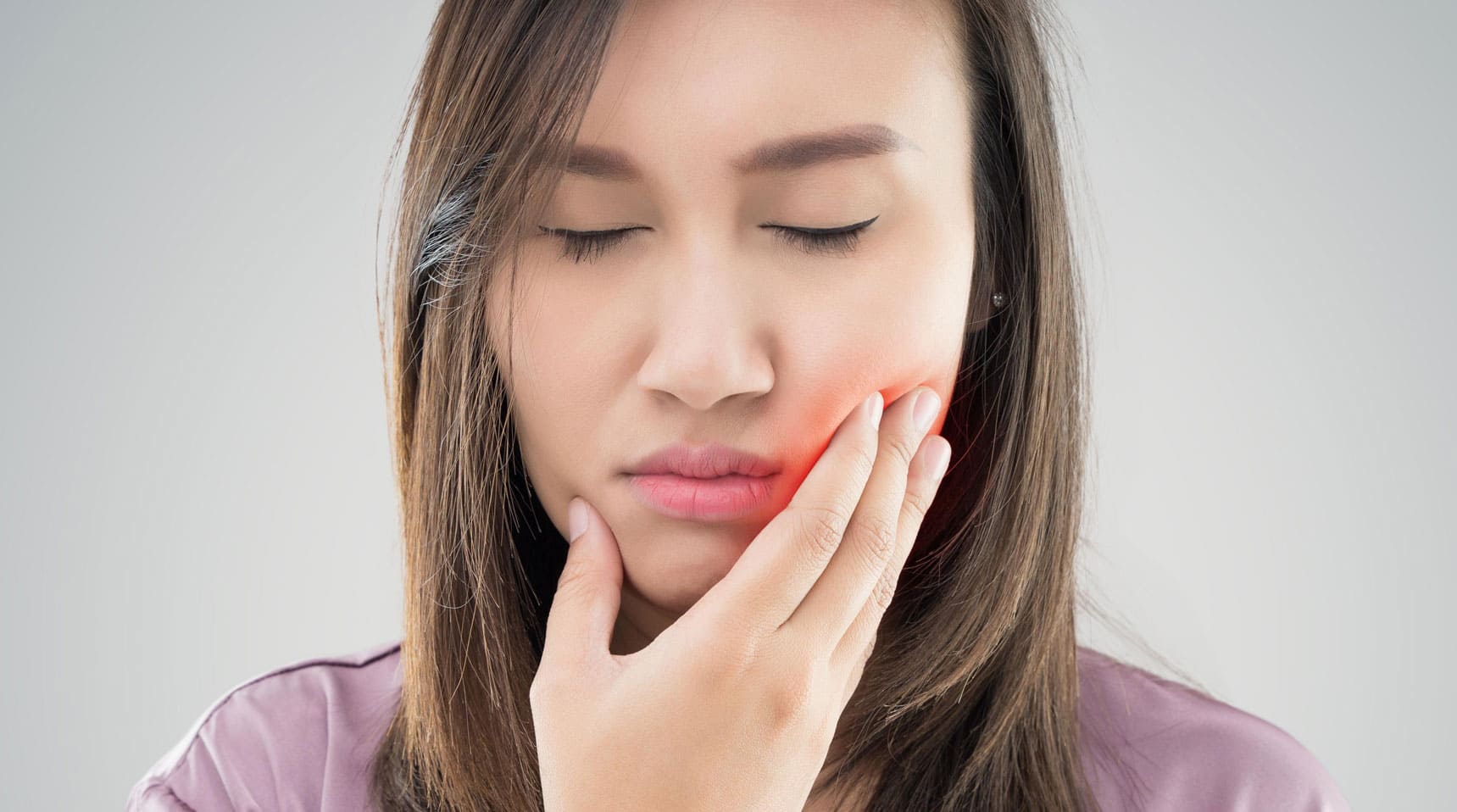
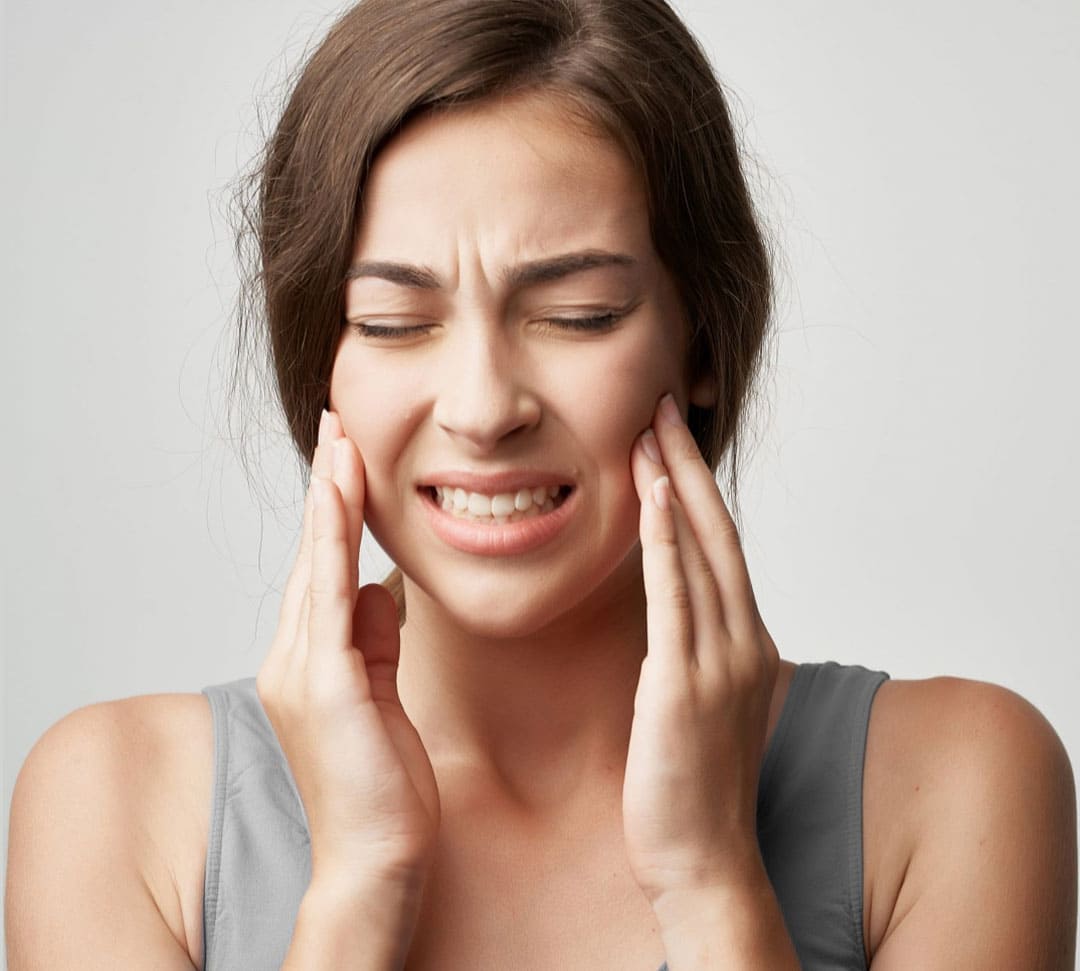
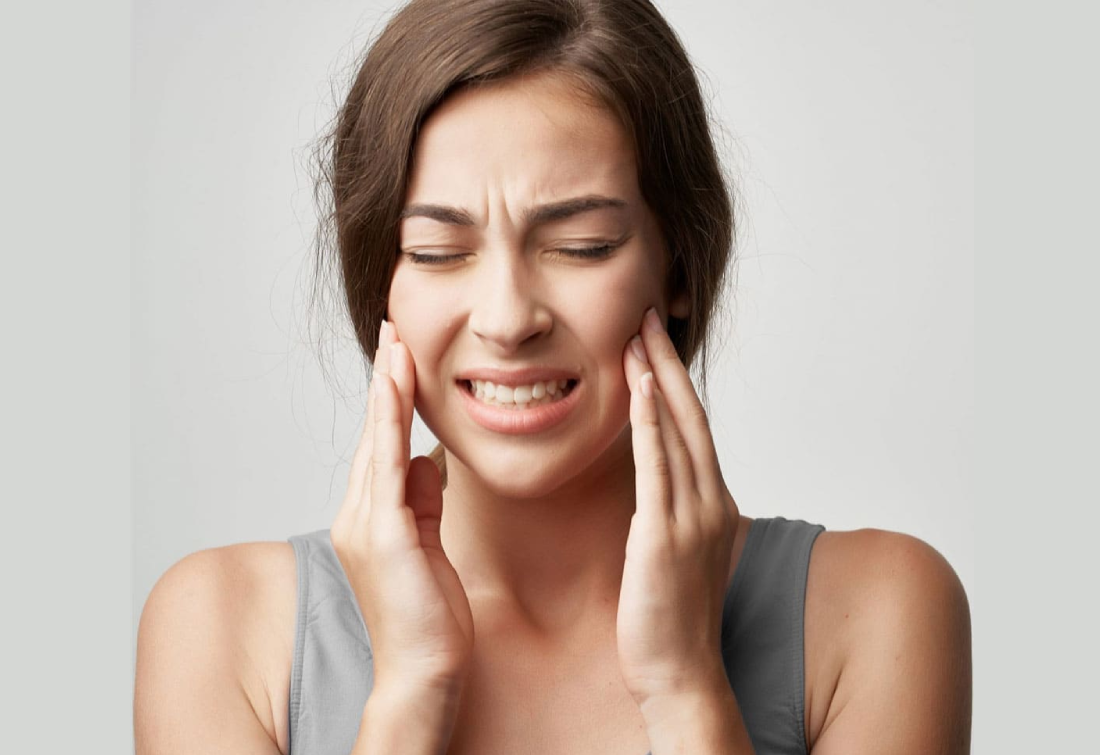
Bruxism (clenching) is expressed as a condition in which the individual clenches, grinds or presses their teeth. This affects the jaw joint and chewing muscles. Individuals with bruxism (teeth grinding) may unconsciously grit their teeth while awake, or grind and clench their teeth during sleep.
In many cases, treatment isn't necessary. However, in some people, bruxism can be frequent and severe enough to lead to jaw disorders, headaches, damaged teeth and other problems.
If the problem is severe, options include certain dental approaches, therapies and medications to prevent more tooth damage and relieve jaw pain or discomfort. Although these methods may prevent or correct the wear to your teeth, they may not stop the bruxism:
Splints and mouth guards. These are designed to keep teeth separated to avoid the damage caused by clenching and grinding. They can be constructed of hard acrylic or soft materials and fit over your upper or lower teeth.
Dental correction. In severe cases — when tooth wear has led to sensitivity or the inability to chew properly — your dentist may need to reshape the chewing surfaces of your teeth or use crowns to repair the damage.